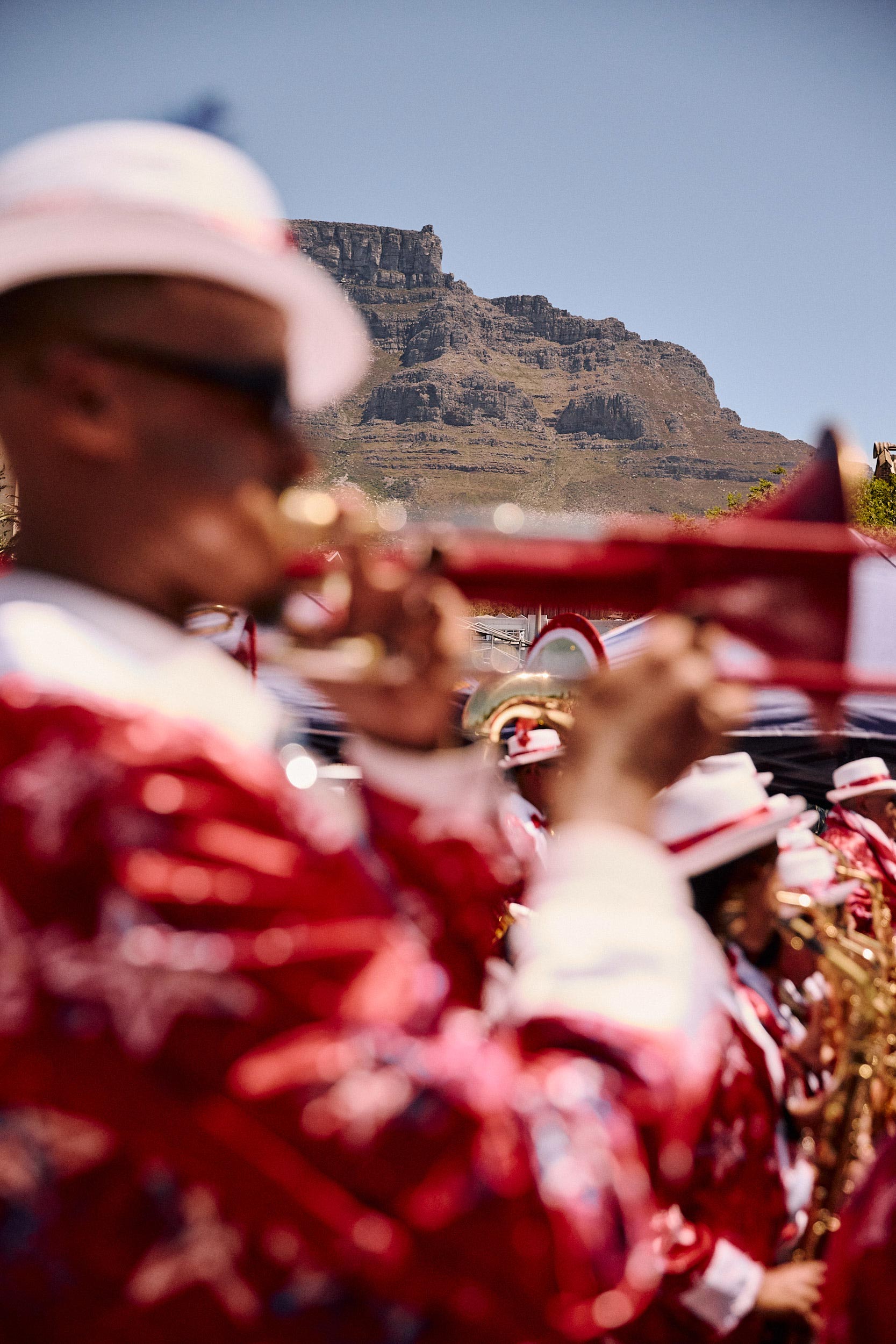
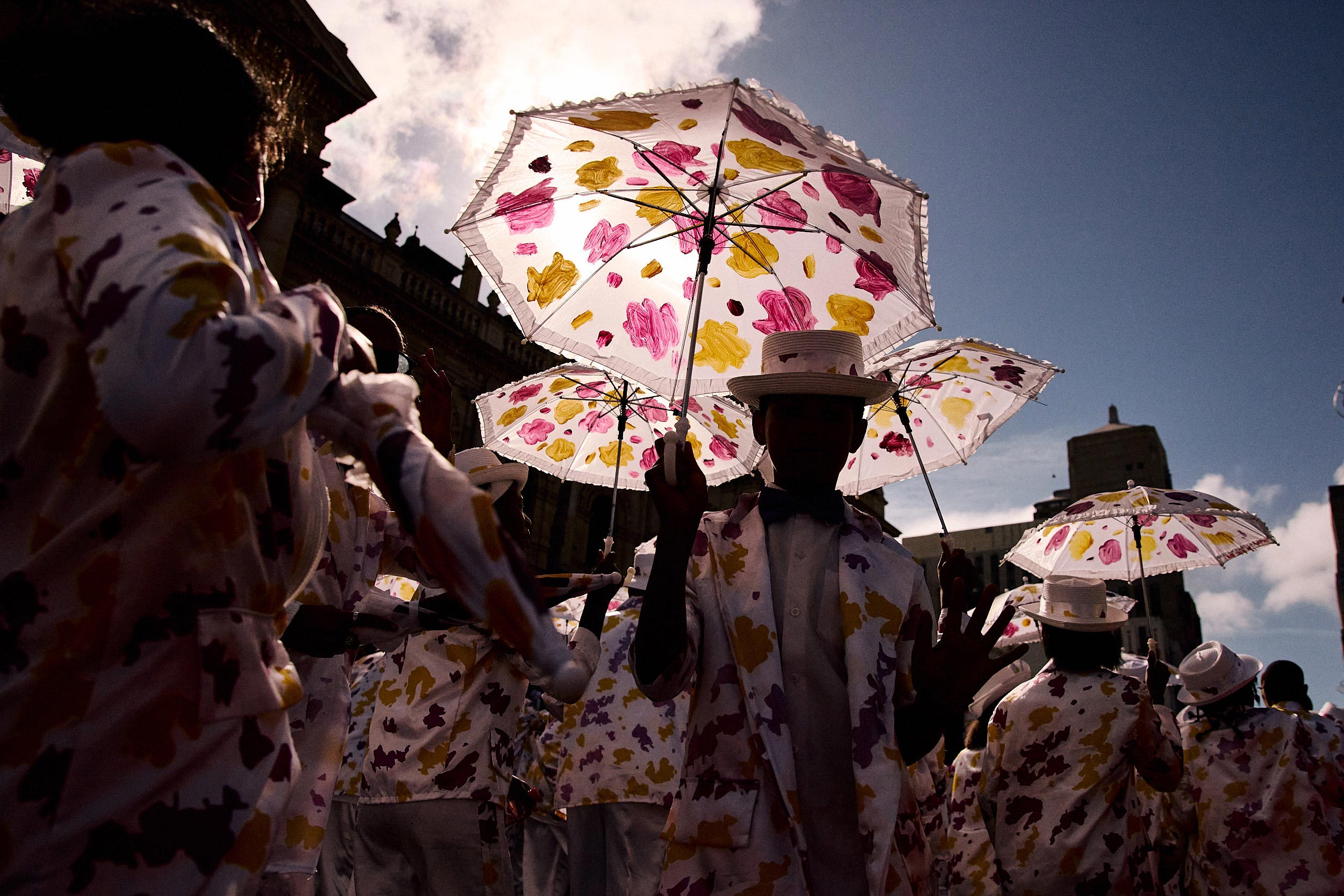
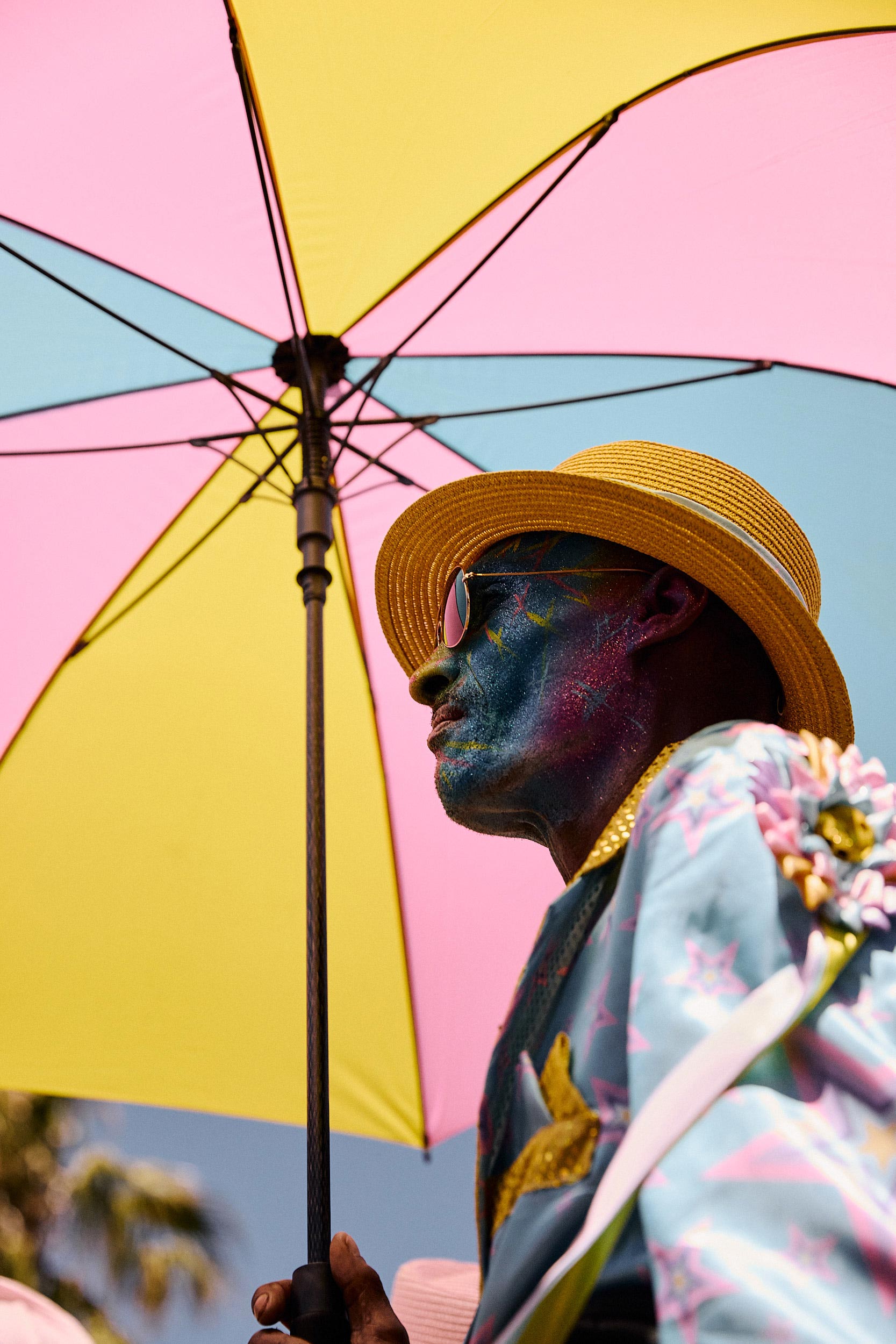
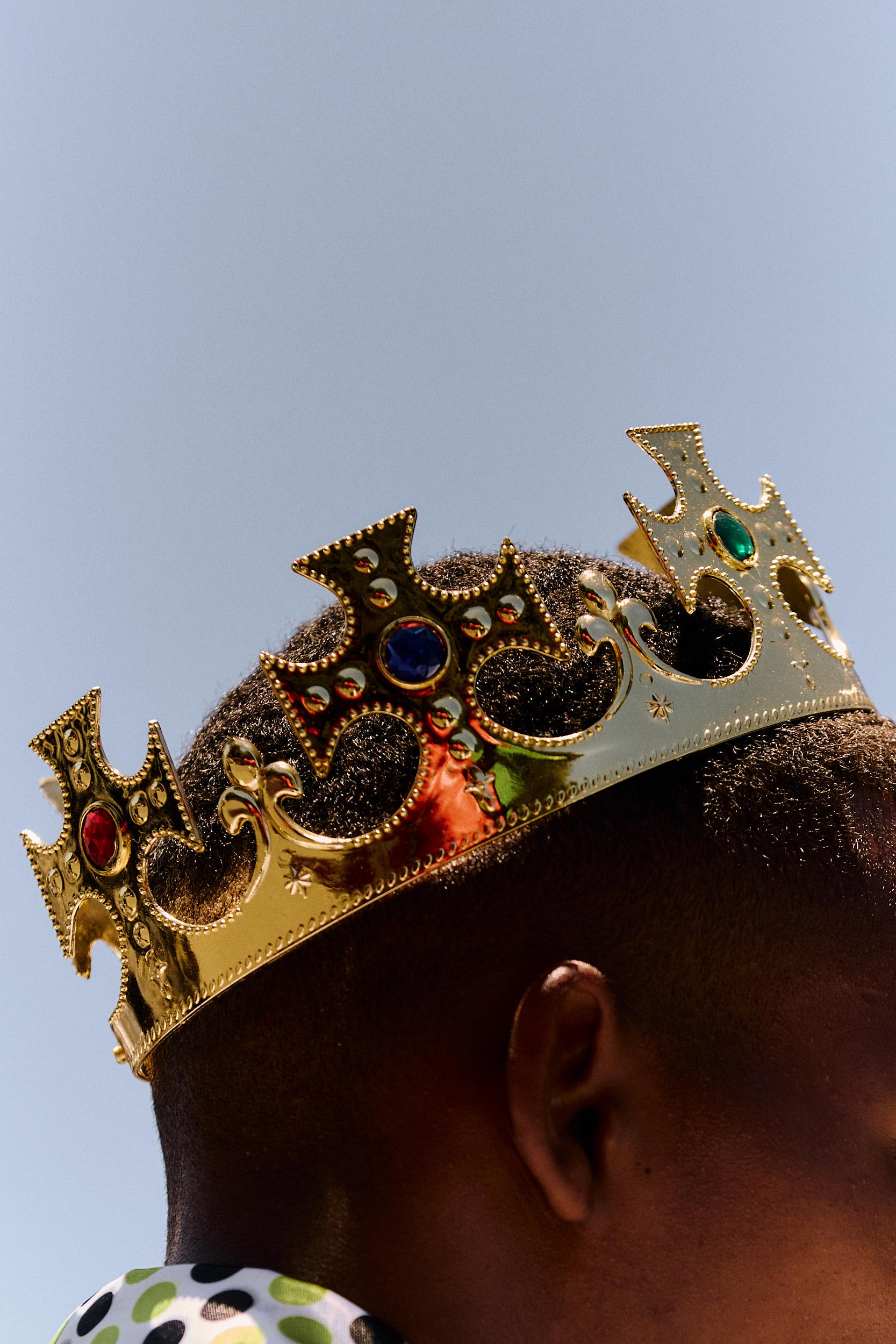
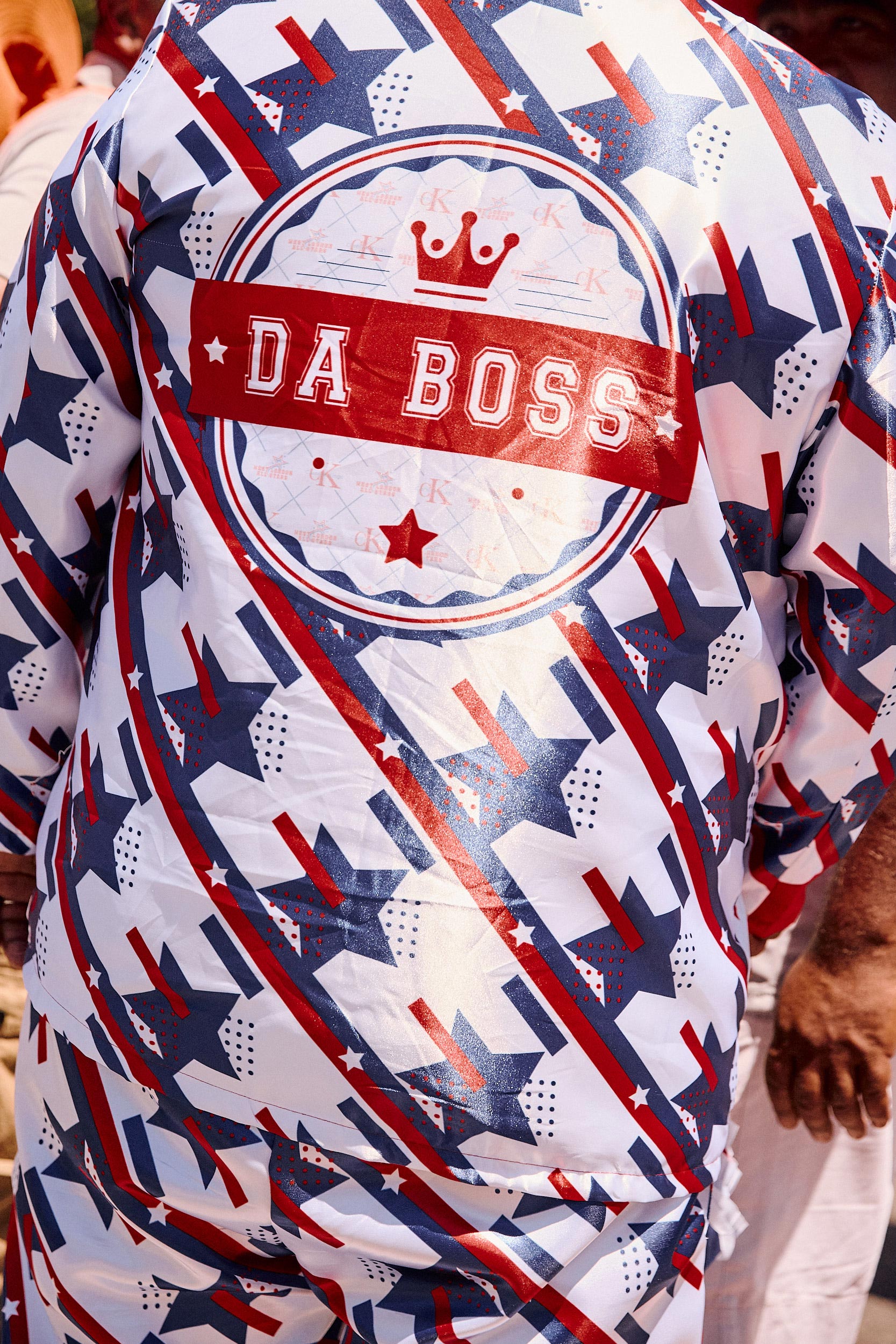
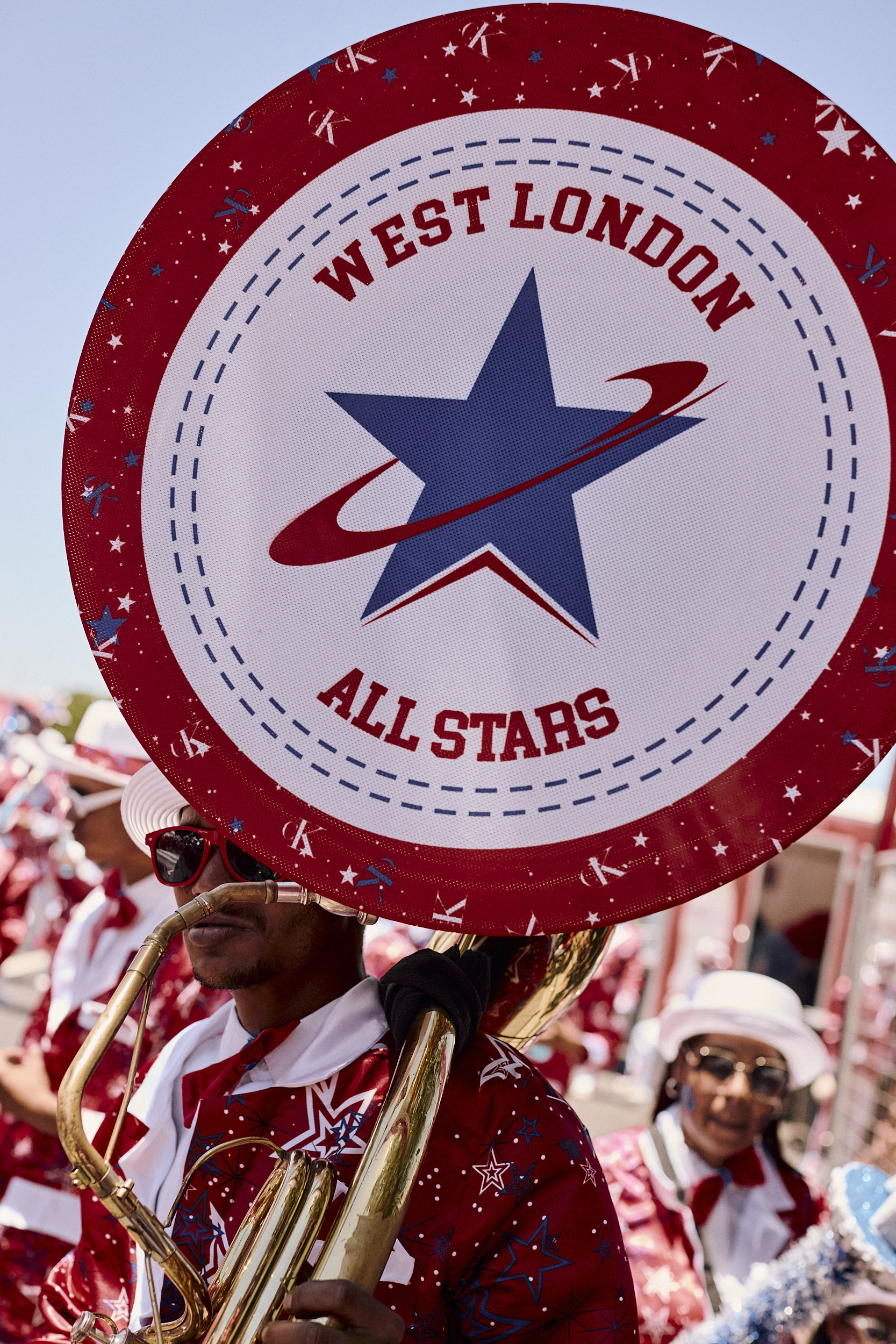
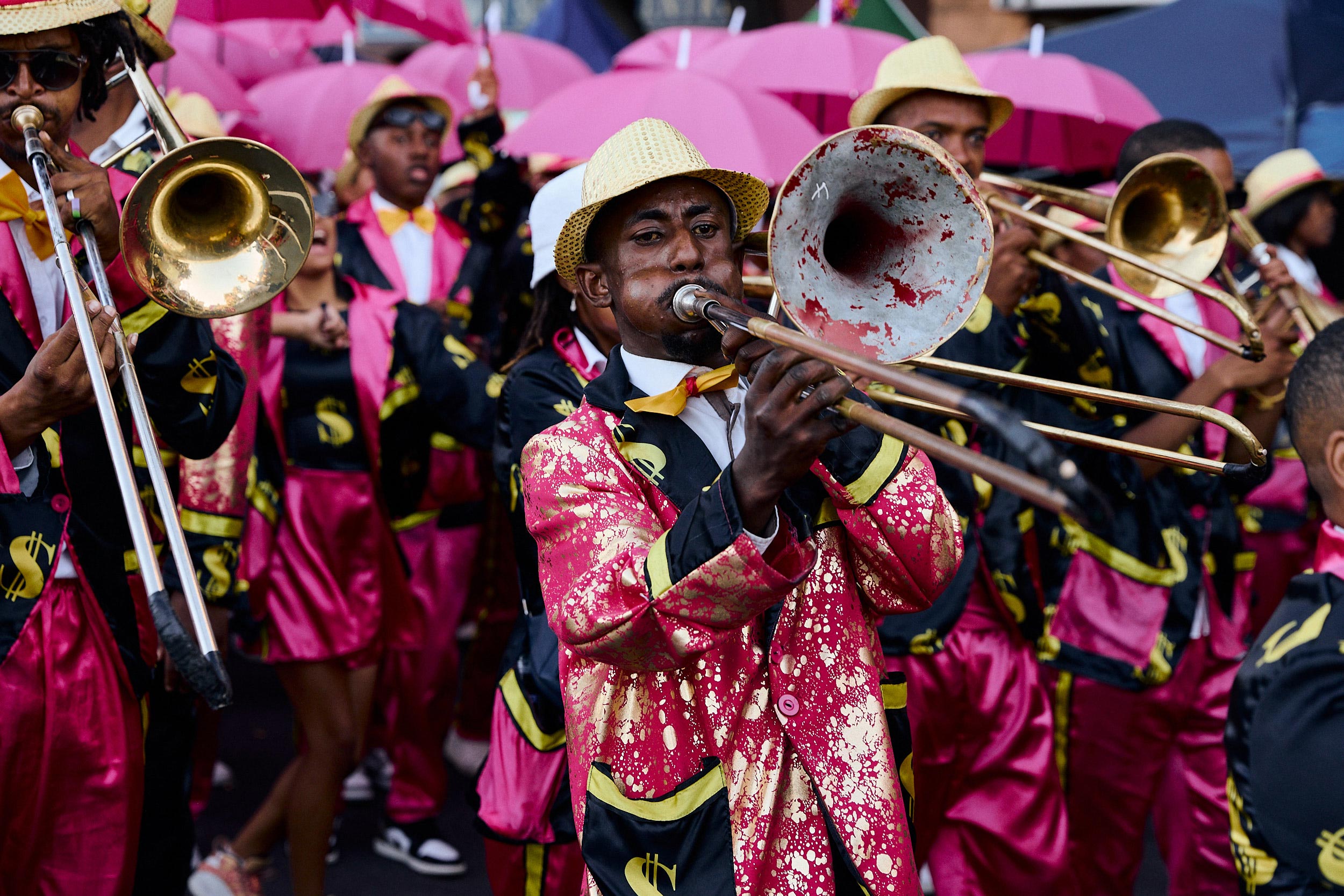
Kaapse Klopse, officially named the Cape Town Minstrel Carnival, is an annual festival and parade dating back to the early 1800’s and traditionally held on January 2’nd (Tweede Nuwe Jaar - Afrikaans for Second New Year).
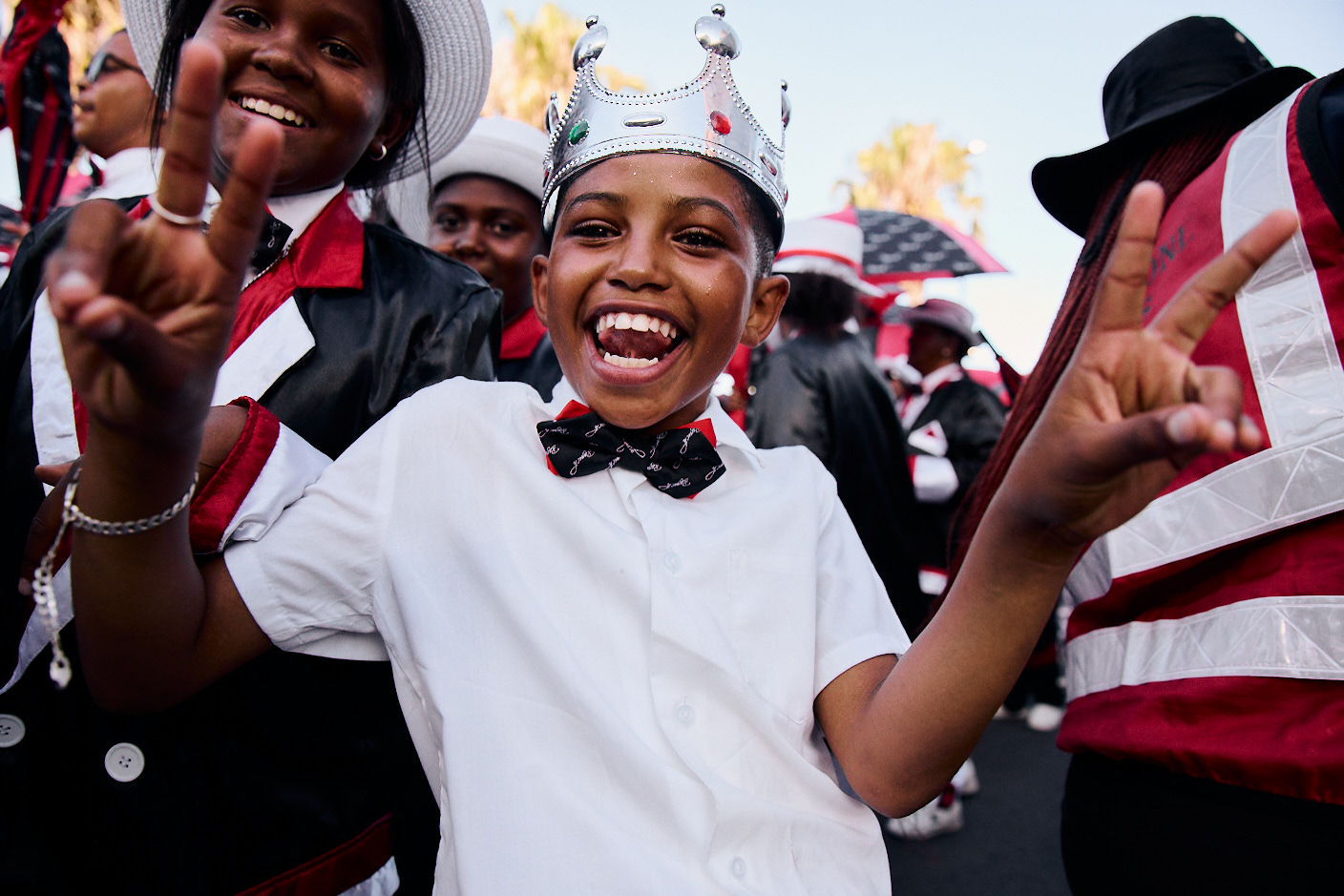
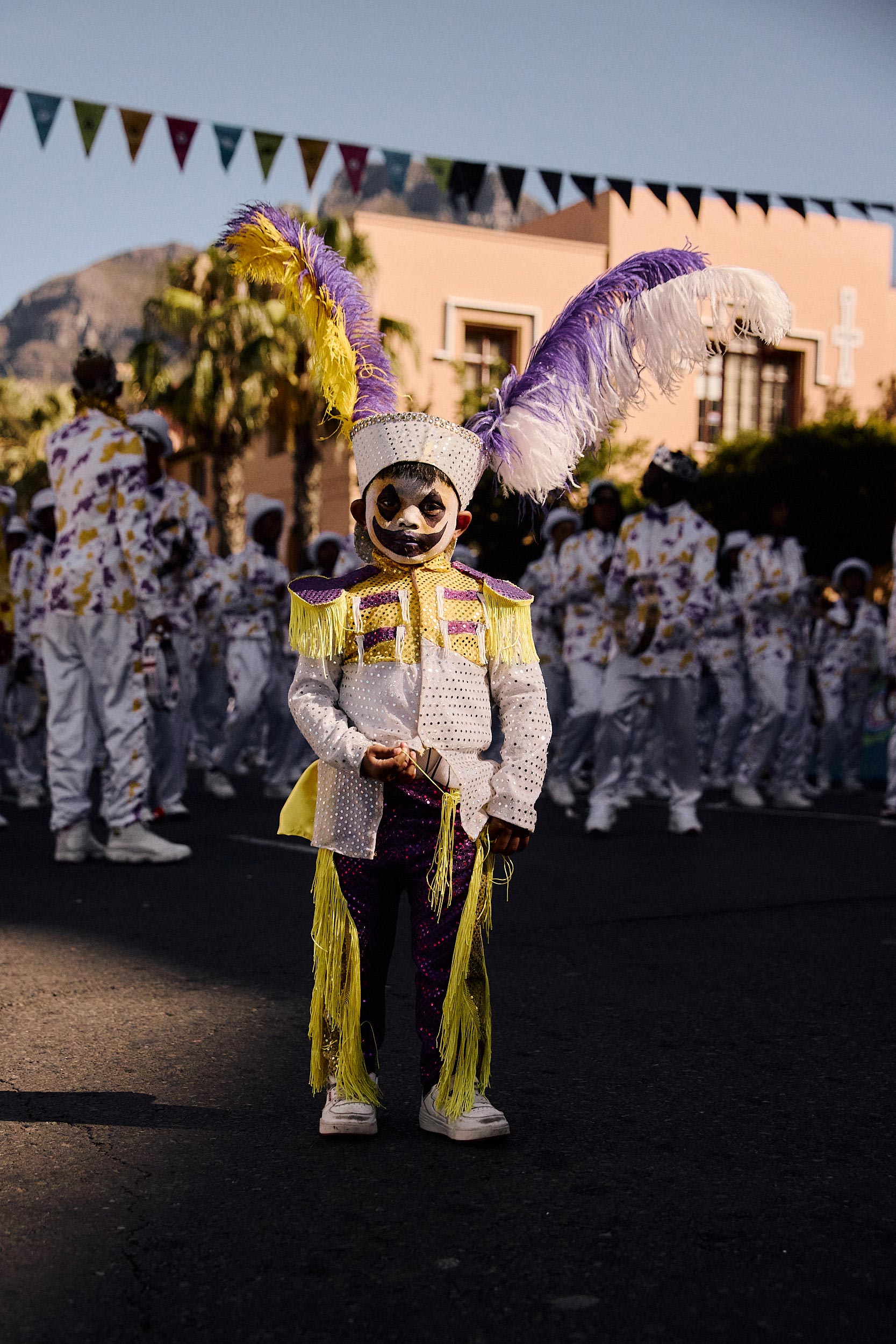
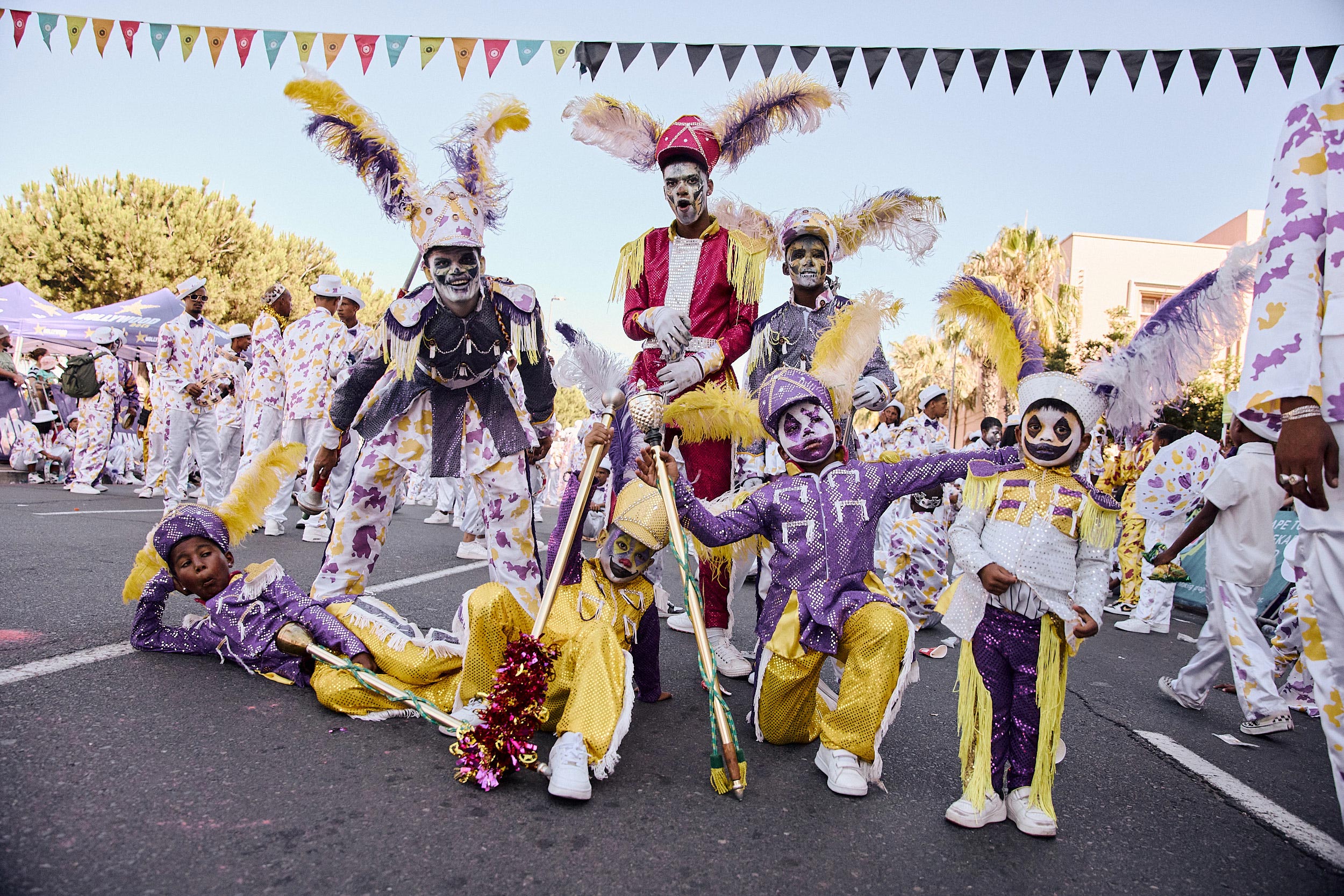
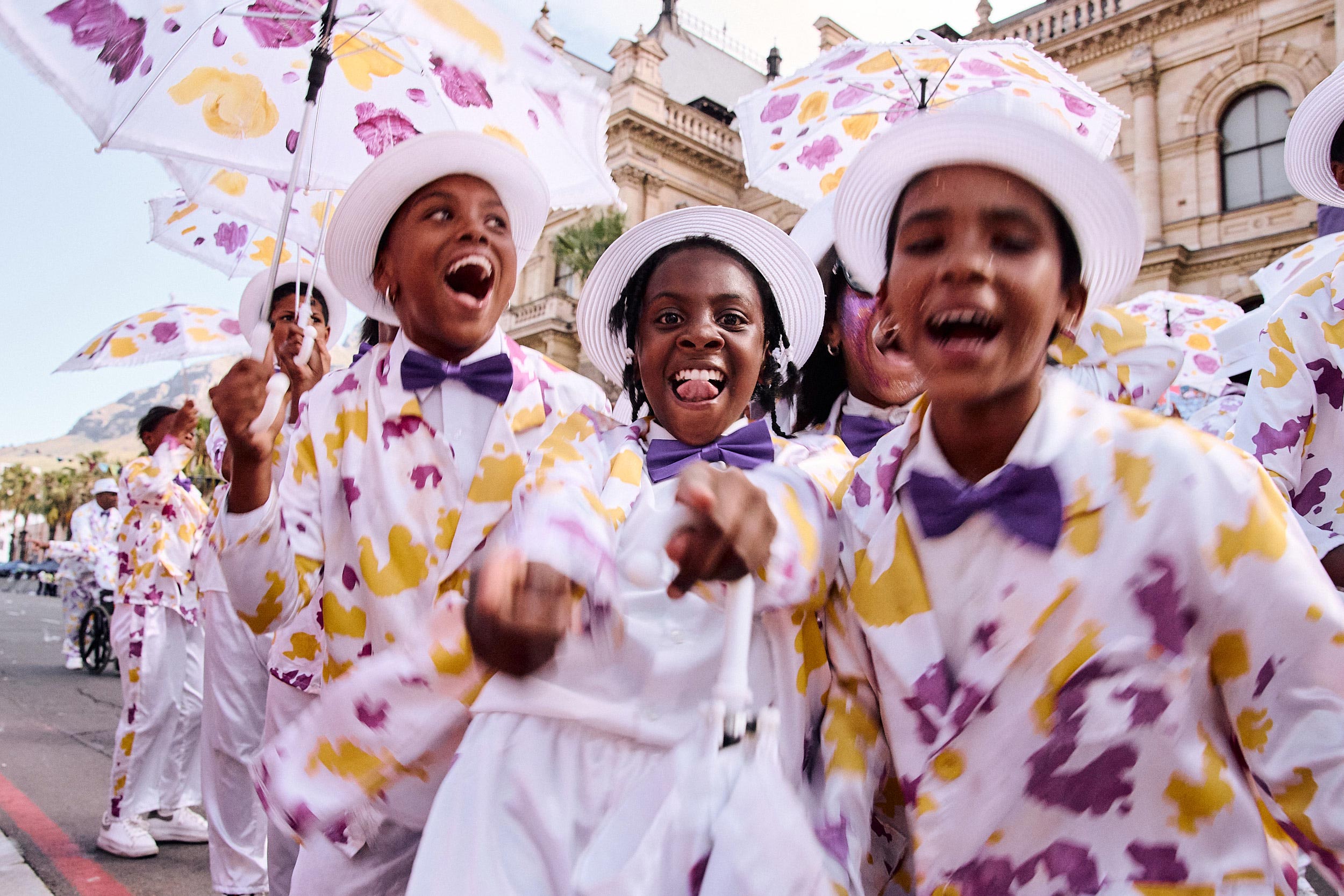
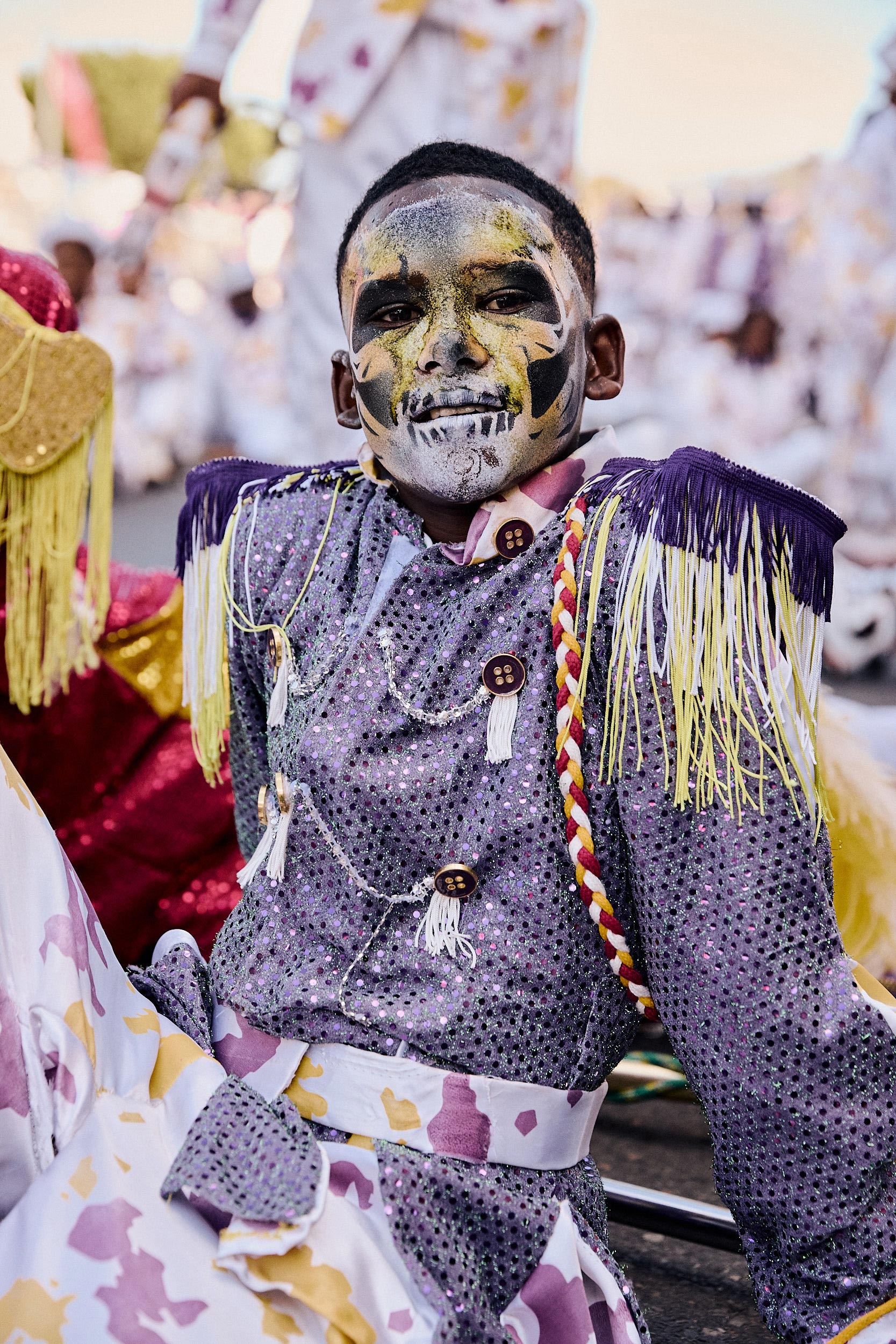
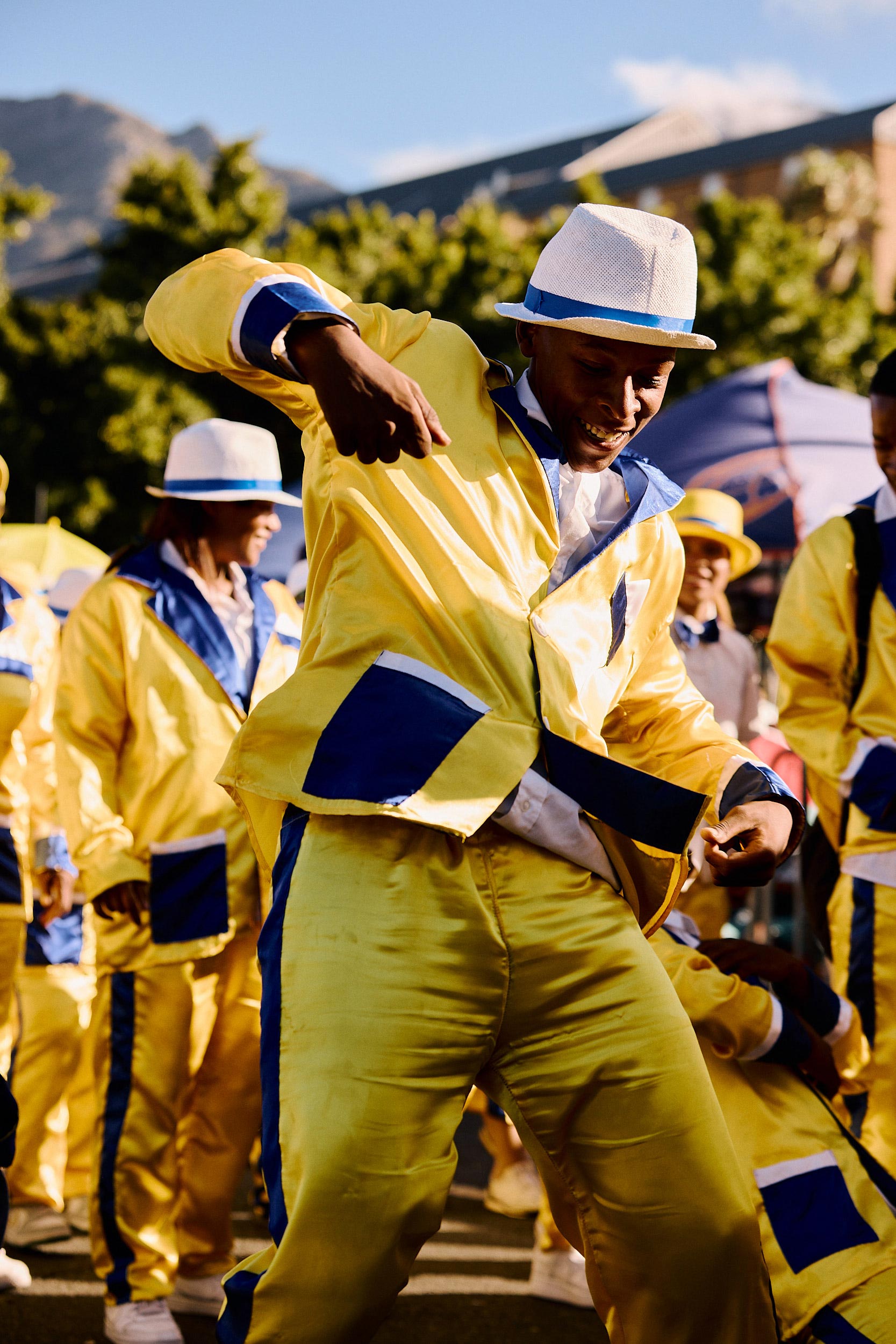
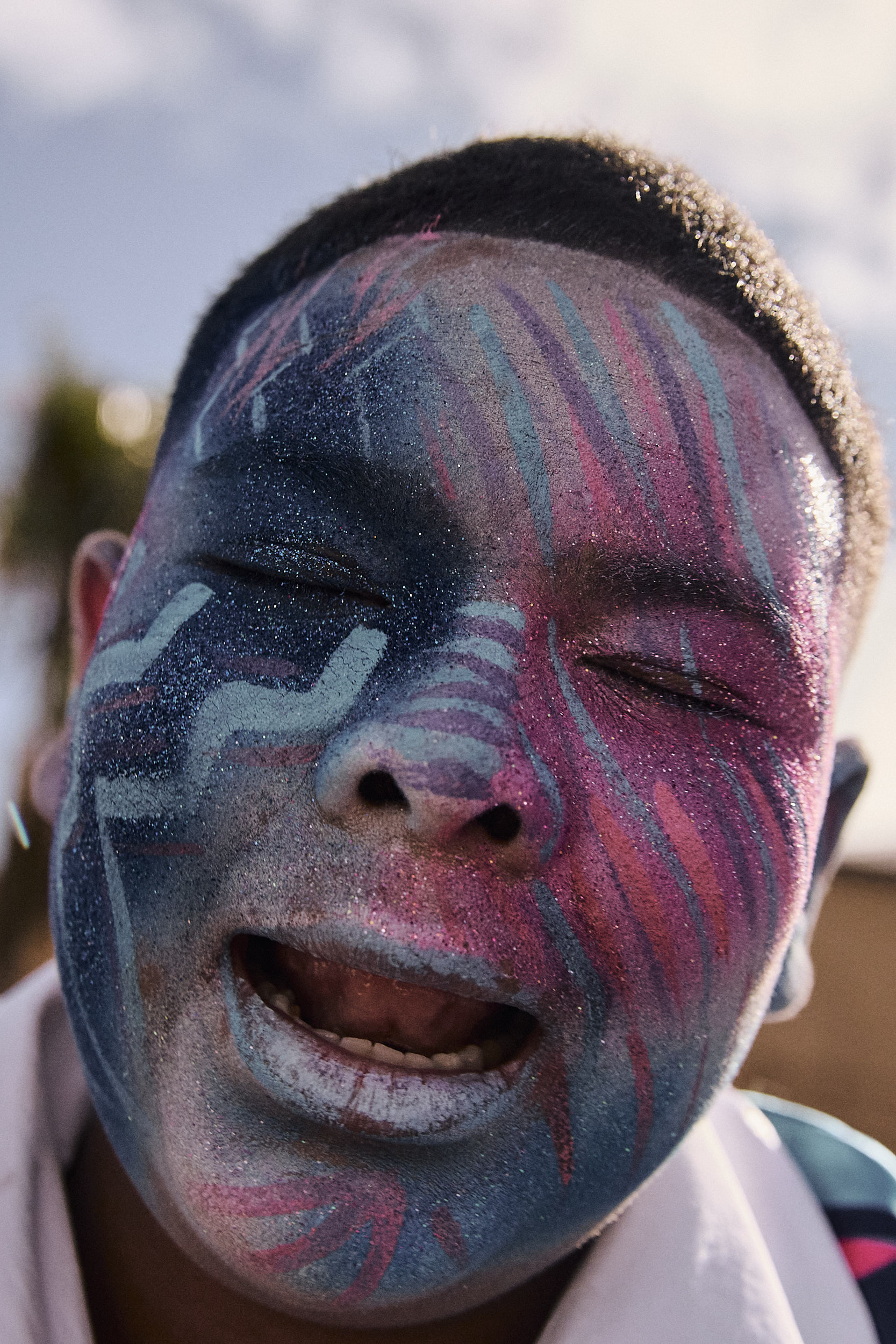
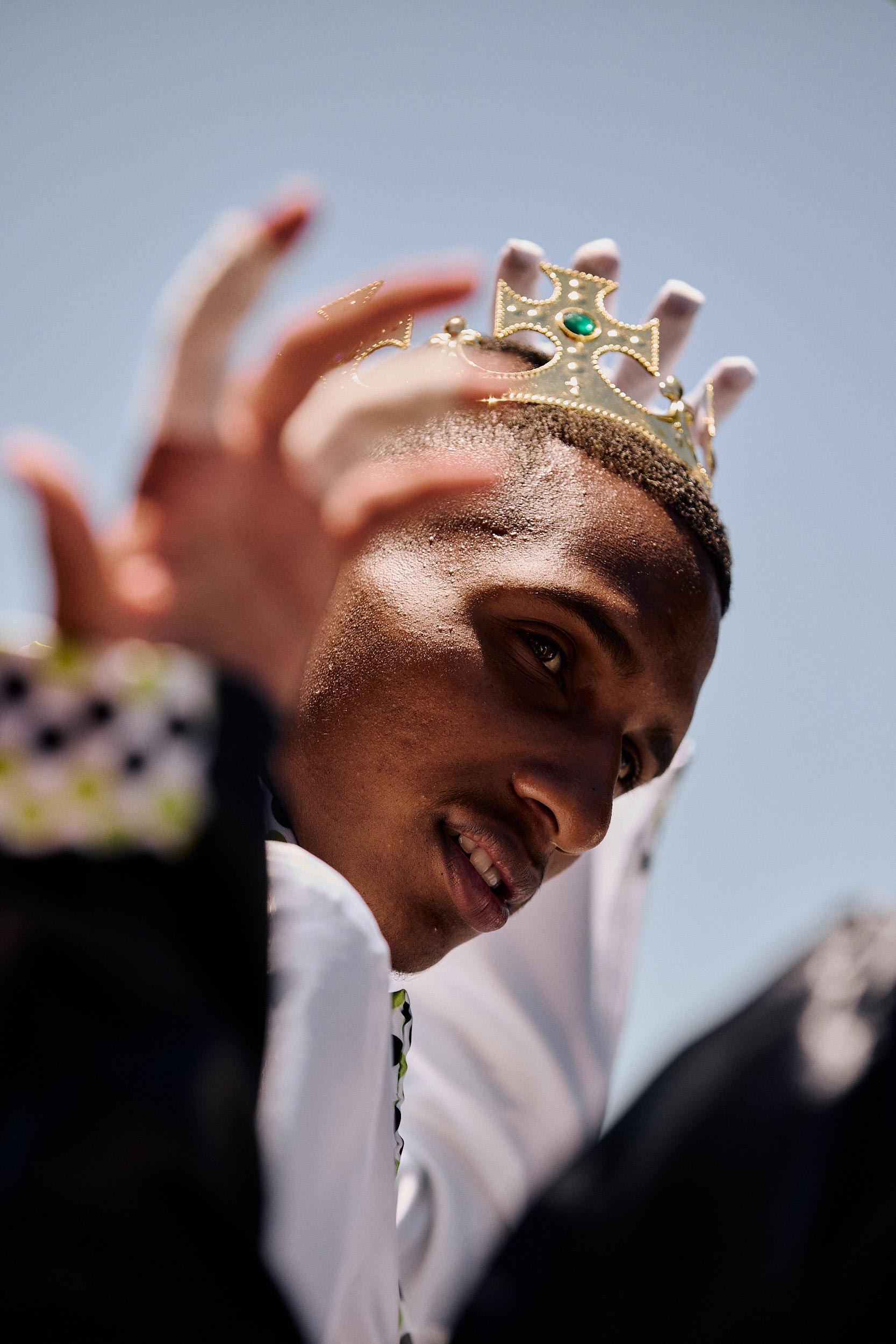
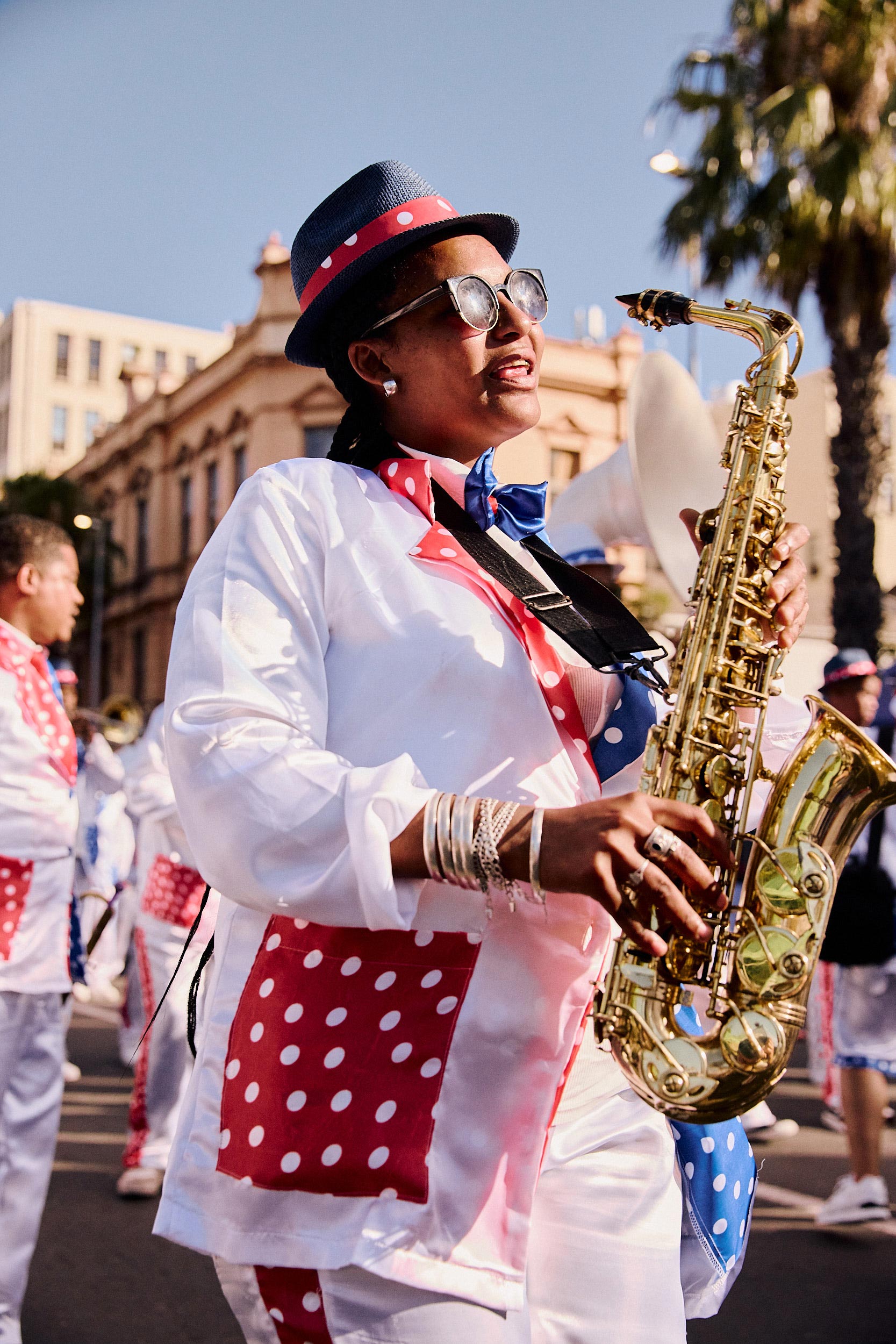
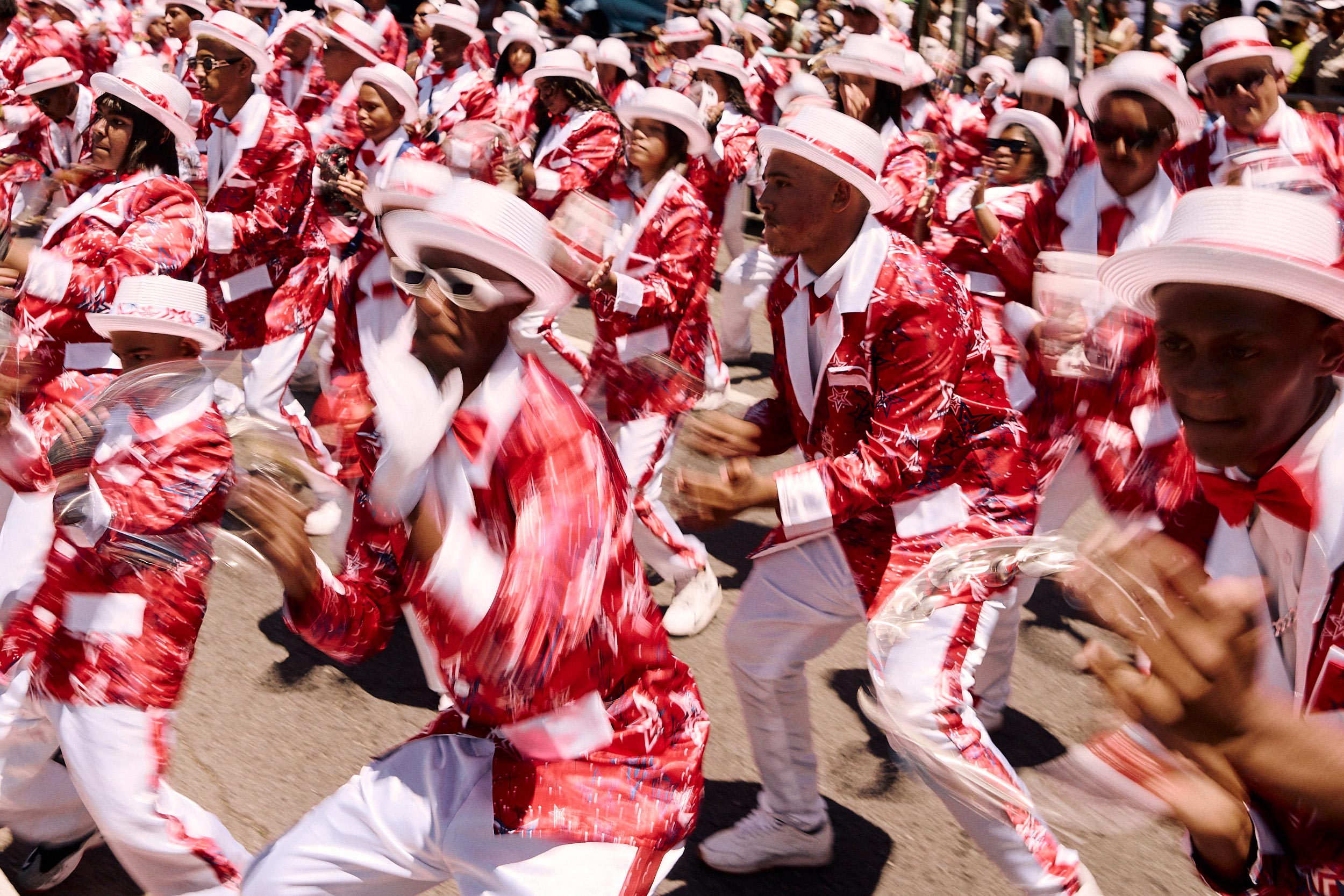
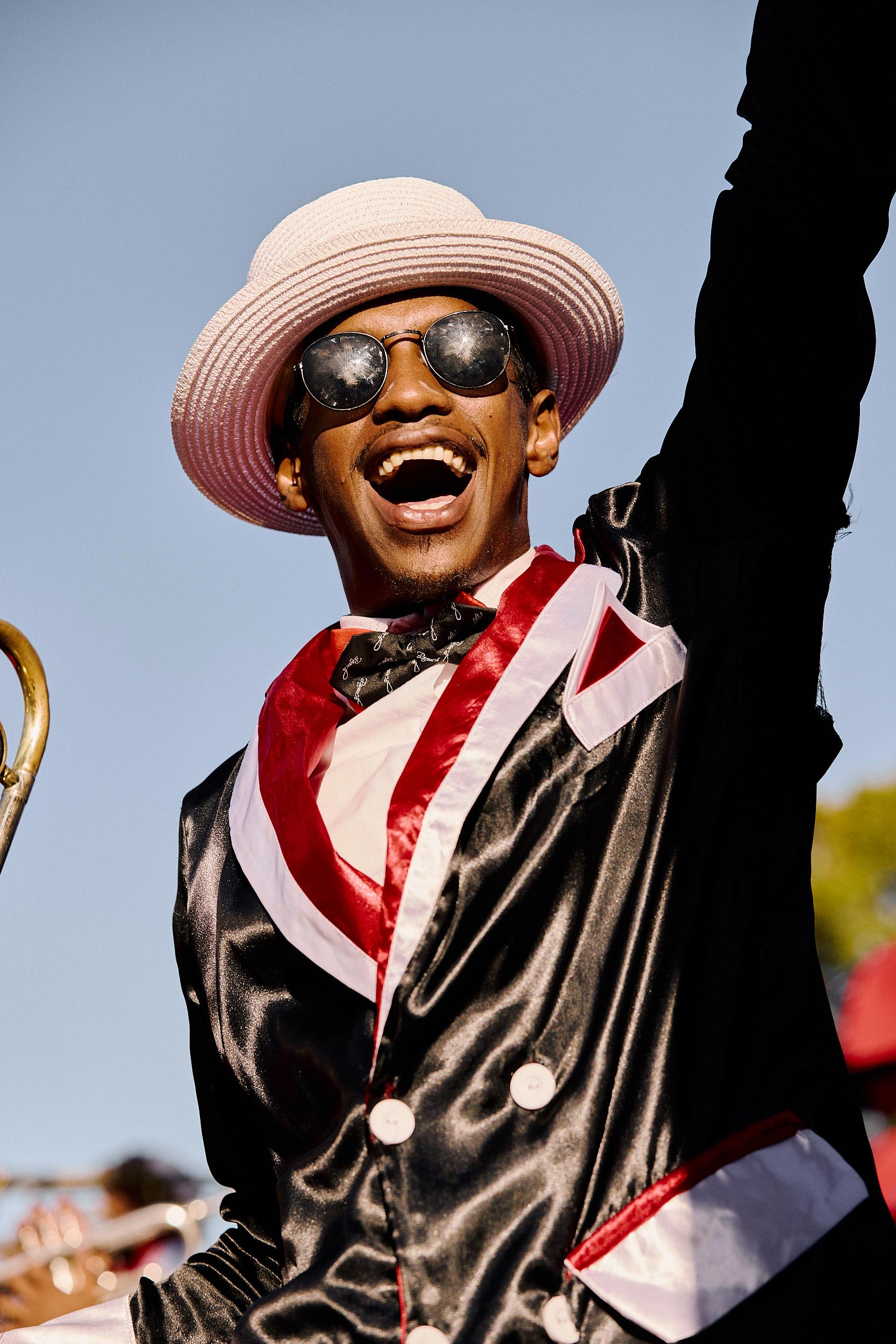
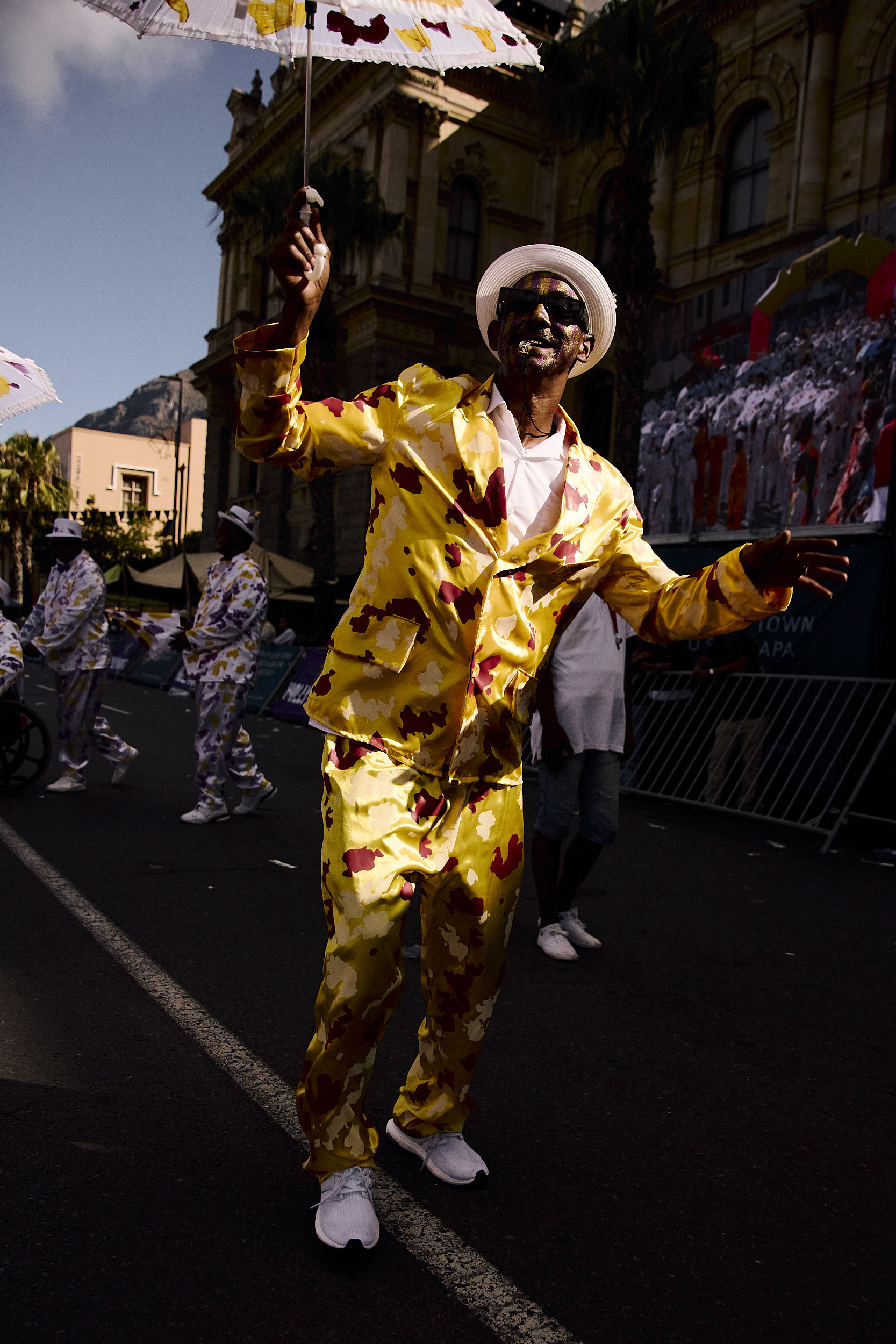
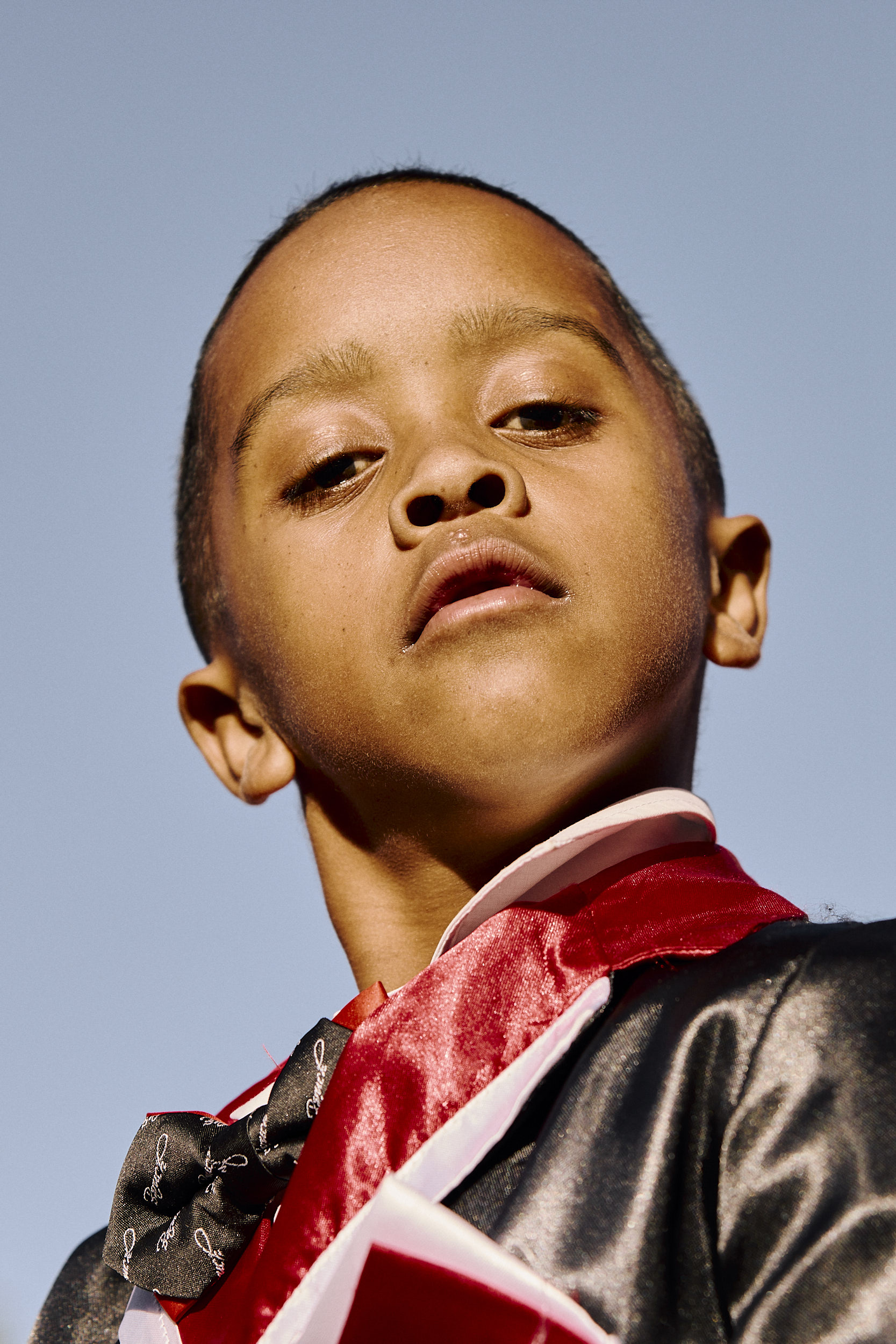
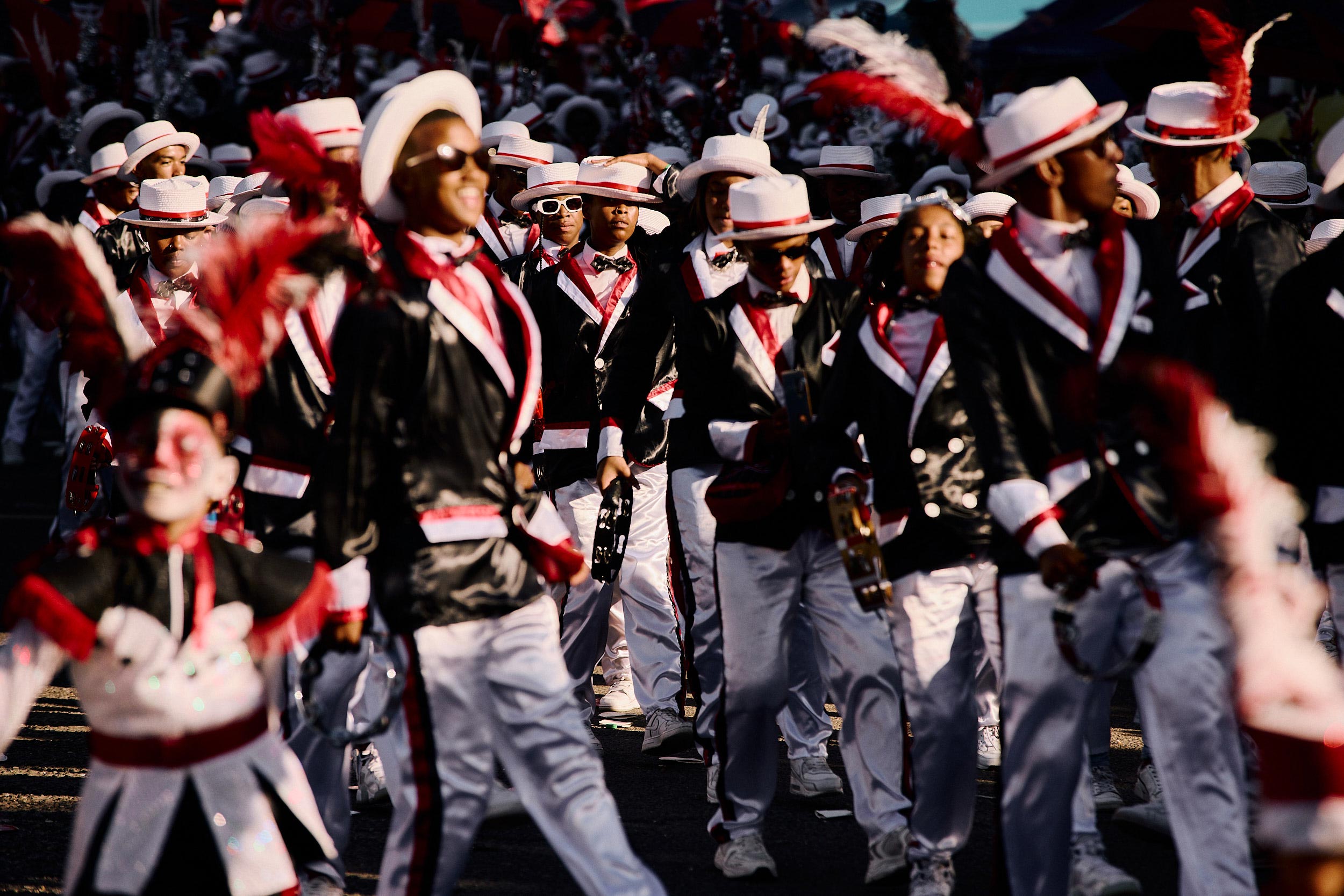
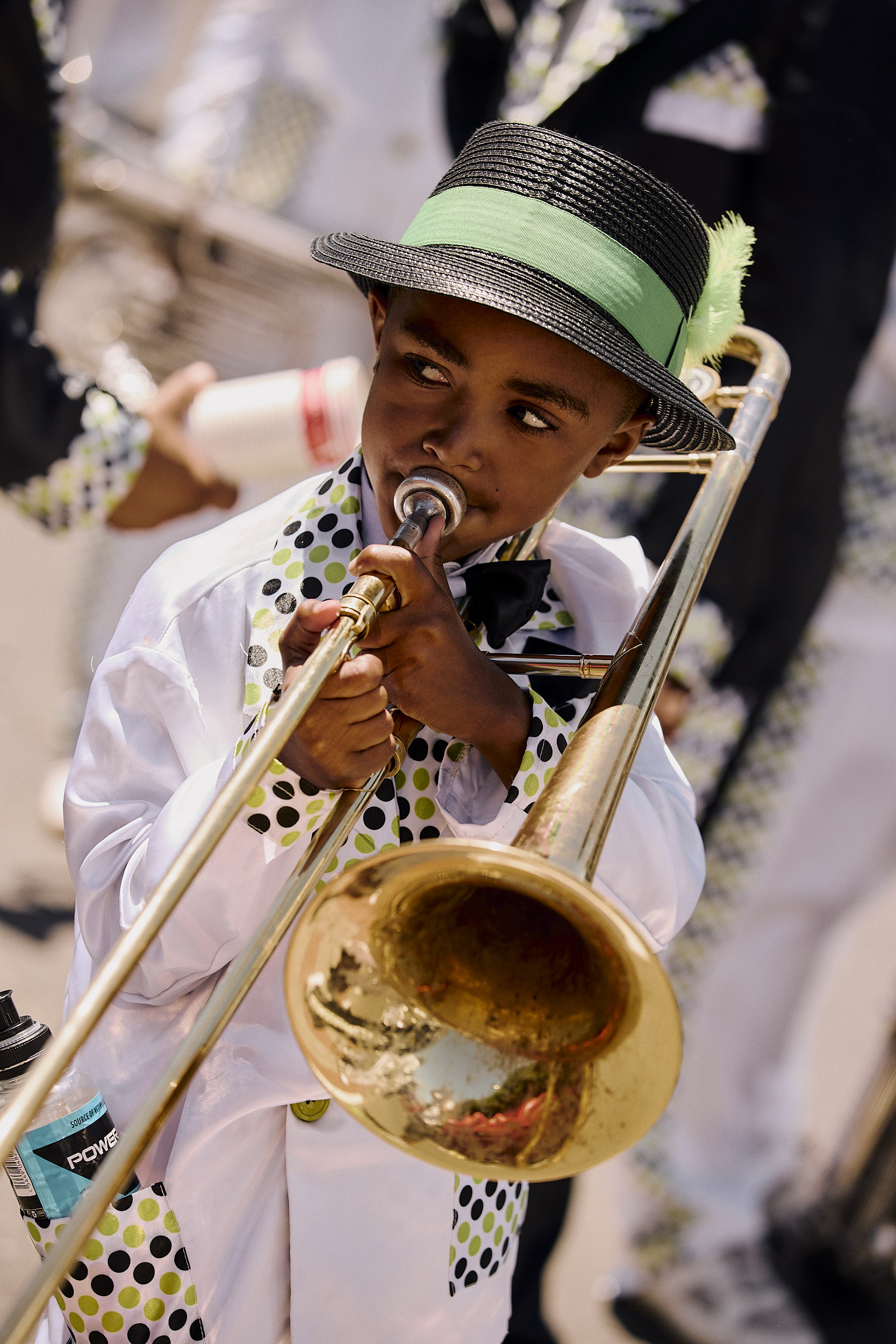
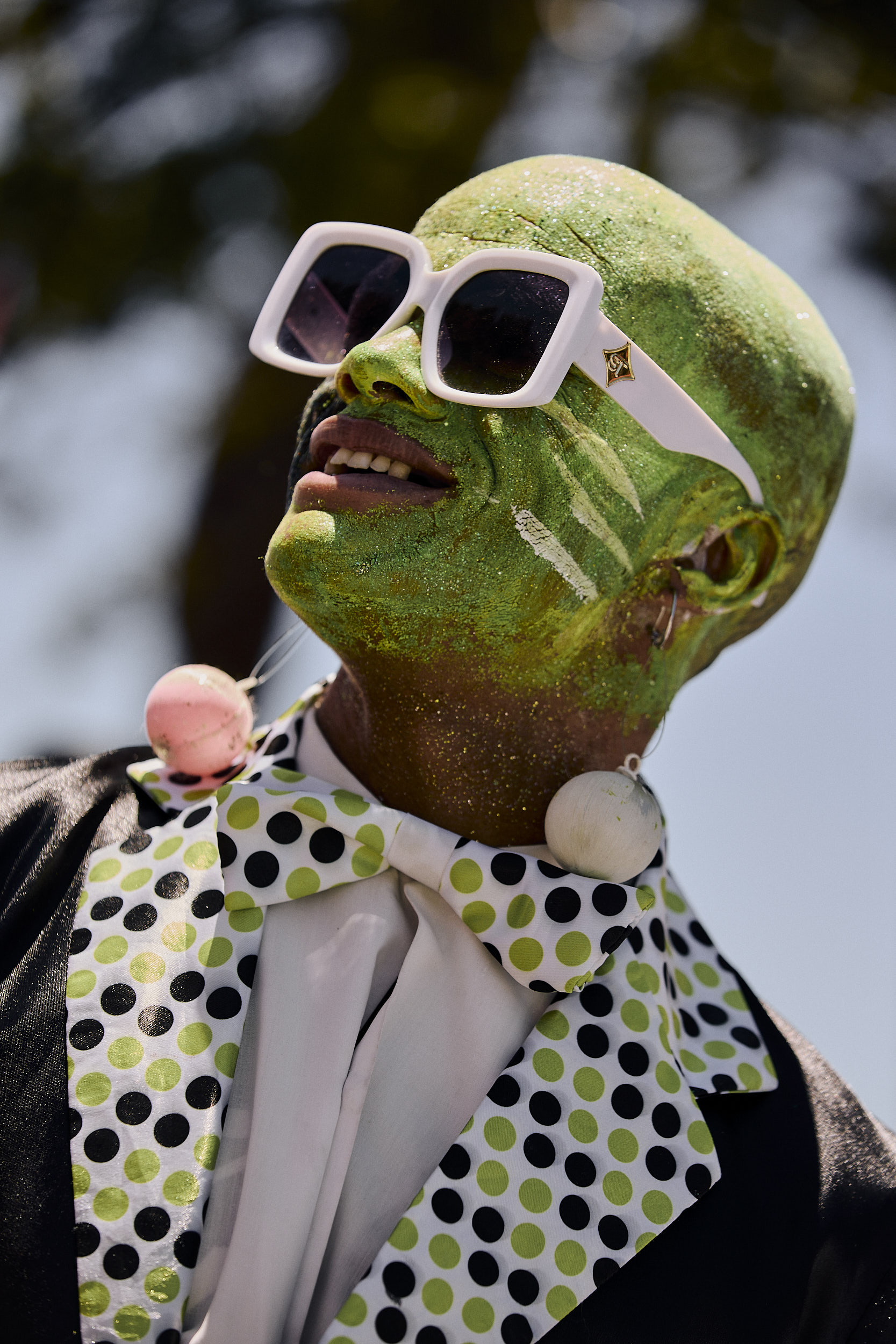
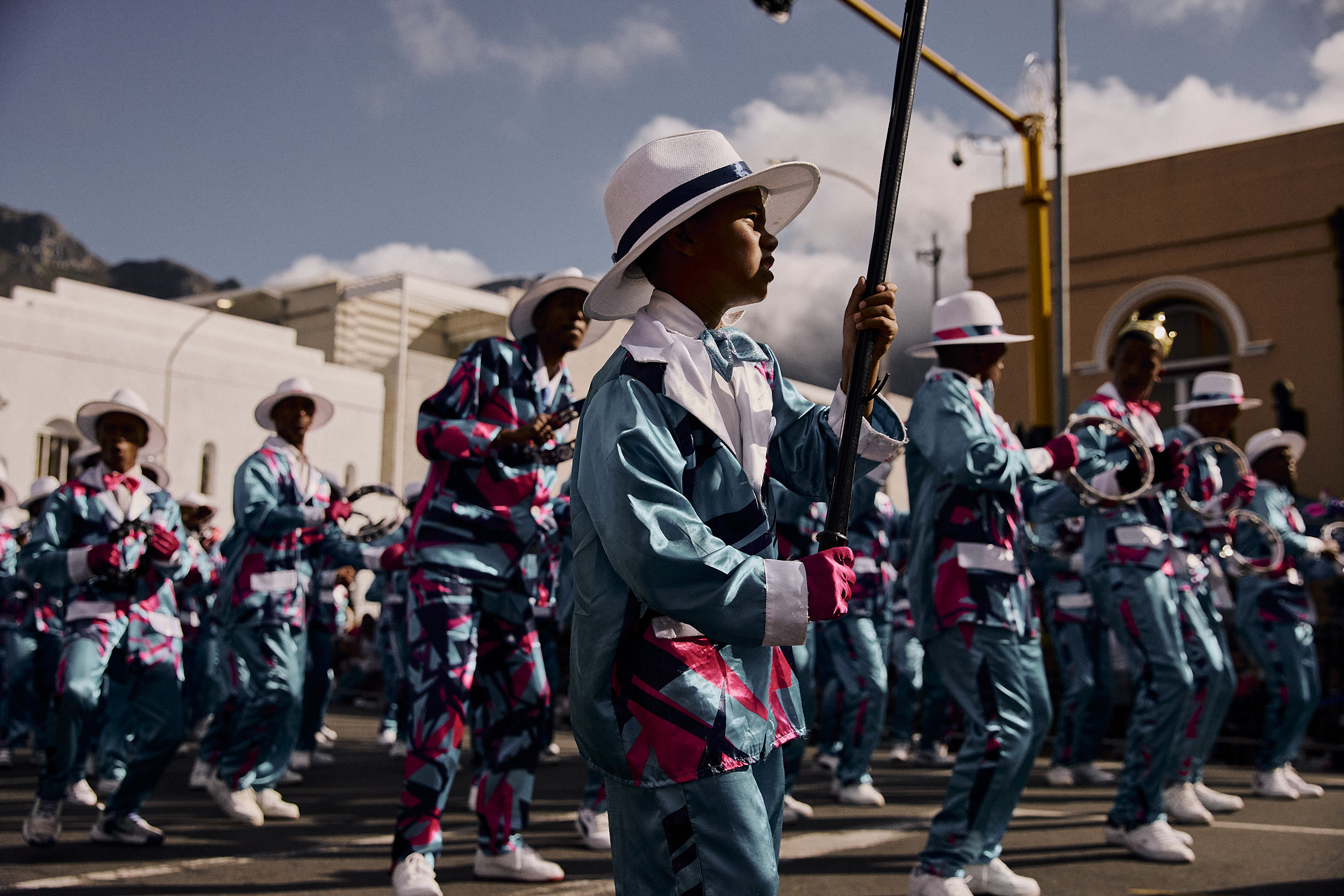
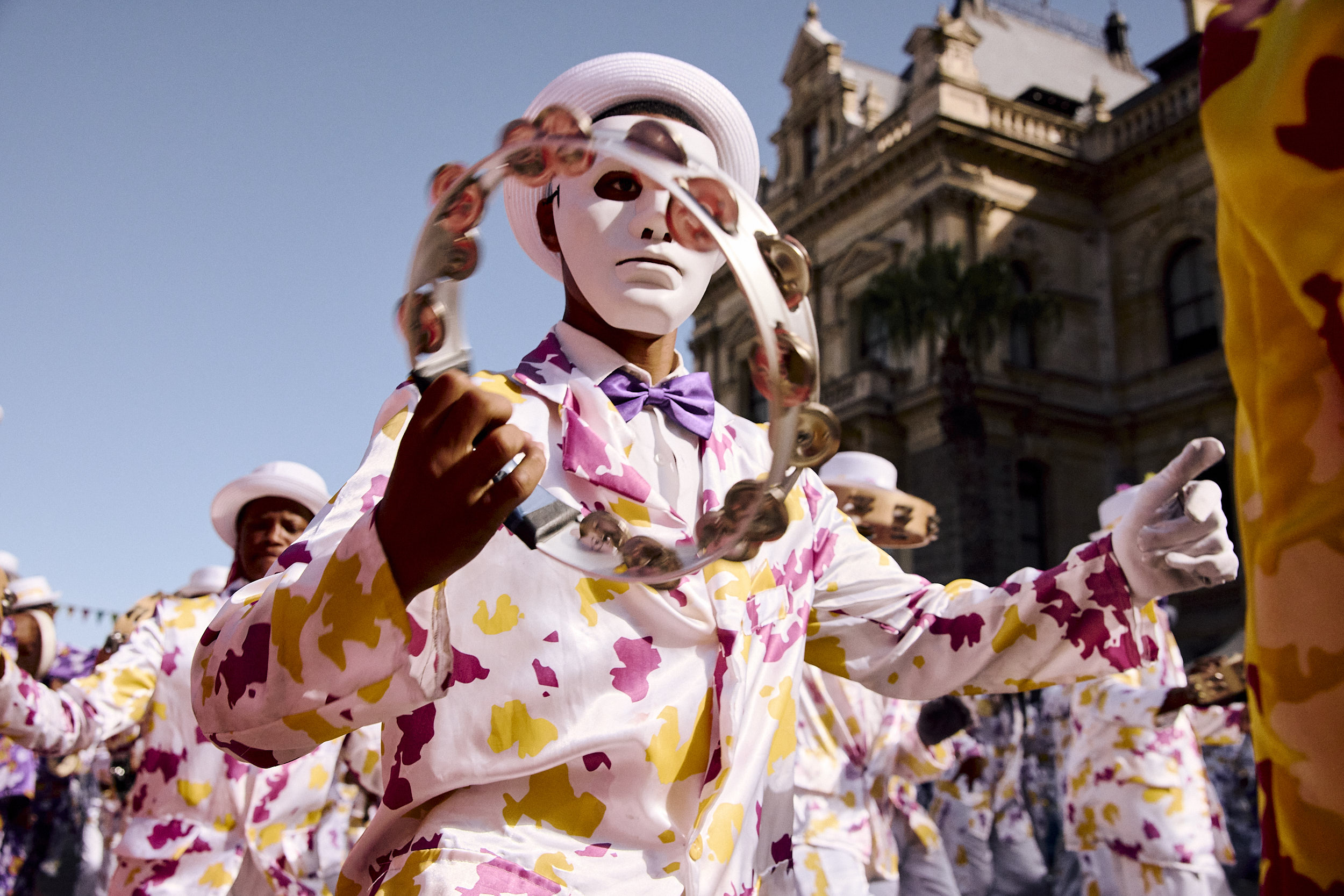
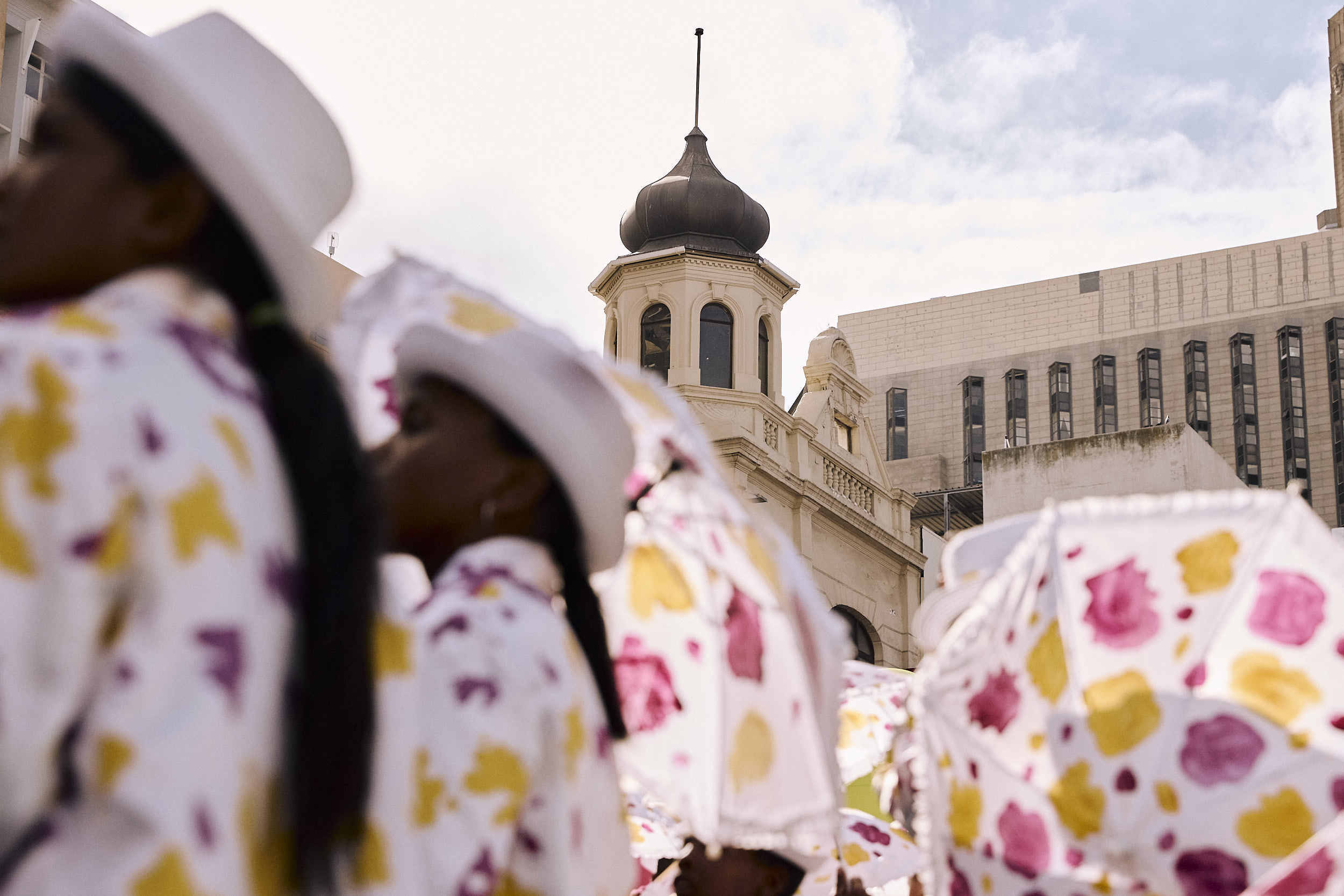
January 2’nd was the day slaves were given a day off and allowed the freedom to celebrate in their own manner and amongst the colonists. They would dress in colourful, eclectic attire, traditionally with a tailcoat, bow tie, top hat, and cane to mimic and satire the British and Dutch settlers.
Over the years, after slavery was abolished, this community of former slaves would perform in the streets and at events, often influenced by visiting American minstrel groups/troupes, taking pride in the tradition that gave them joy and hope in some of the darkest years of their history.
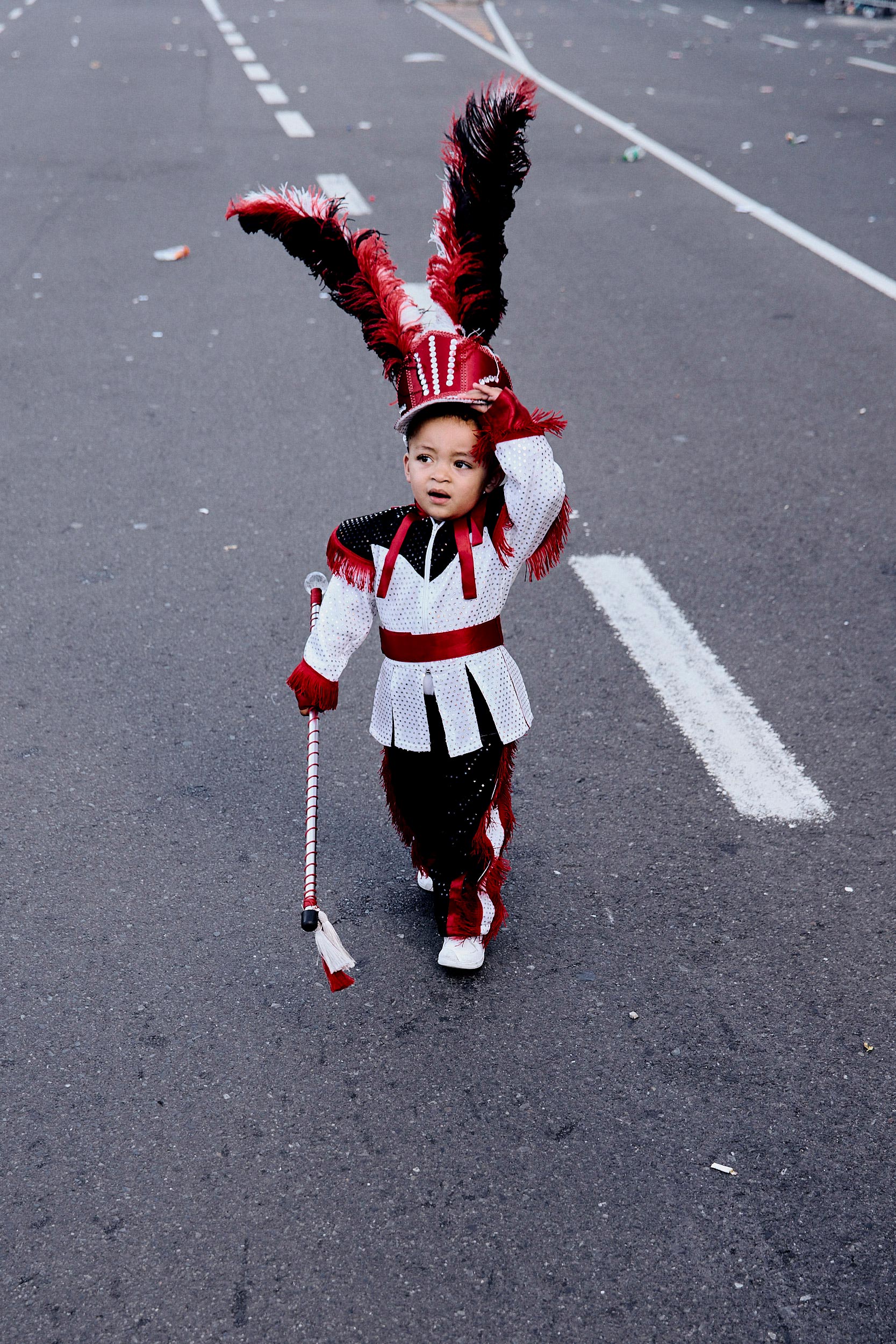
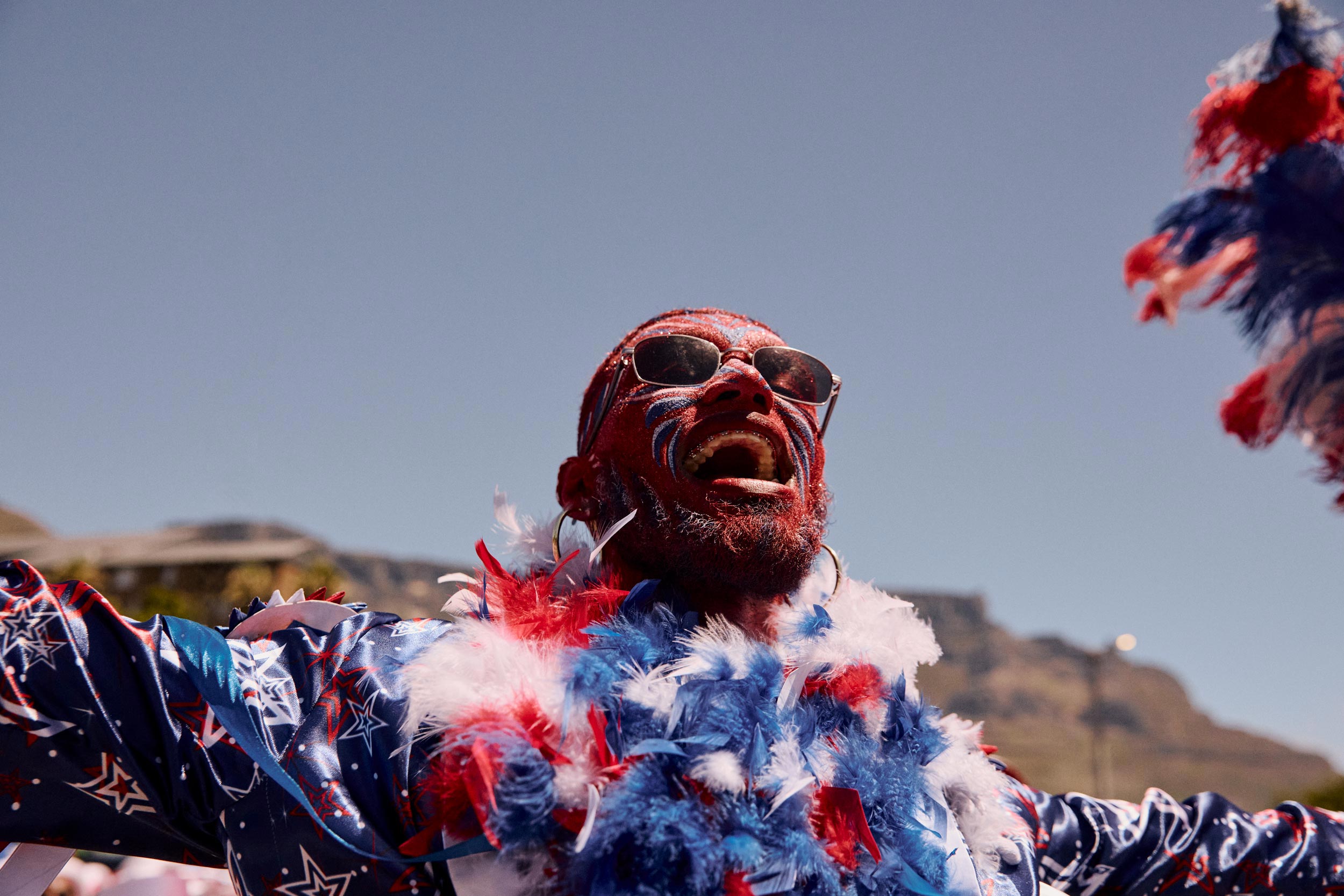
During the Apartheid years, the National government tried their best to kill the tradition, banning all minstrel performances and parades and for a number of years there was no festival but with the end of Apartheid the Carnival emerged once again and is now an annual and colourful celebration of Cape Town’s history, culture and people.
Kaapse Klopse, officially named the Cape Town Minstrel Carnival, is an annual festival and parade dating back to the early 1800’s and traditionally held on January 2’nd (Tweede Nuwe Jaar - Afrikaans for Second New Year).
January 2’nd was the day slaves were given a day off and allowed the freedom to celebrate in their own manner and amongst the colonists. They would dress in colourful, eclectic attire, traditionally with a tailcoat, bow tie, top hat, and cane to mimic and satire the British and Dutch settlers.
Over the years, after slavery was abolished, this community of former slaves would perform in the streets and at events, often influenced by visiting American minstrel groups/troupes, taking pride in the tradition that gave them joy and hope in some of the darkest years of their history.
During the Apartheid years, the National government tried their best to kill the tradition, banning all minstrel performances and parades and for a number of years there was no festival but with the end of Apartheid the Carnival emerged once again and is now an annual and colourful celebration of Cape Town’s history, culture and people.